First Time in Japan: What to Do After Landing at a Tokyo Airport
by Tokyo Airports Editorial TeamUpdated
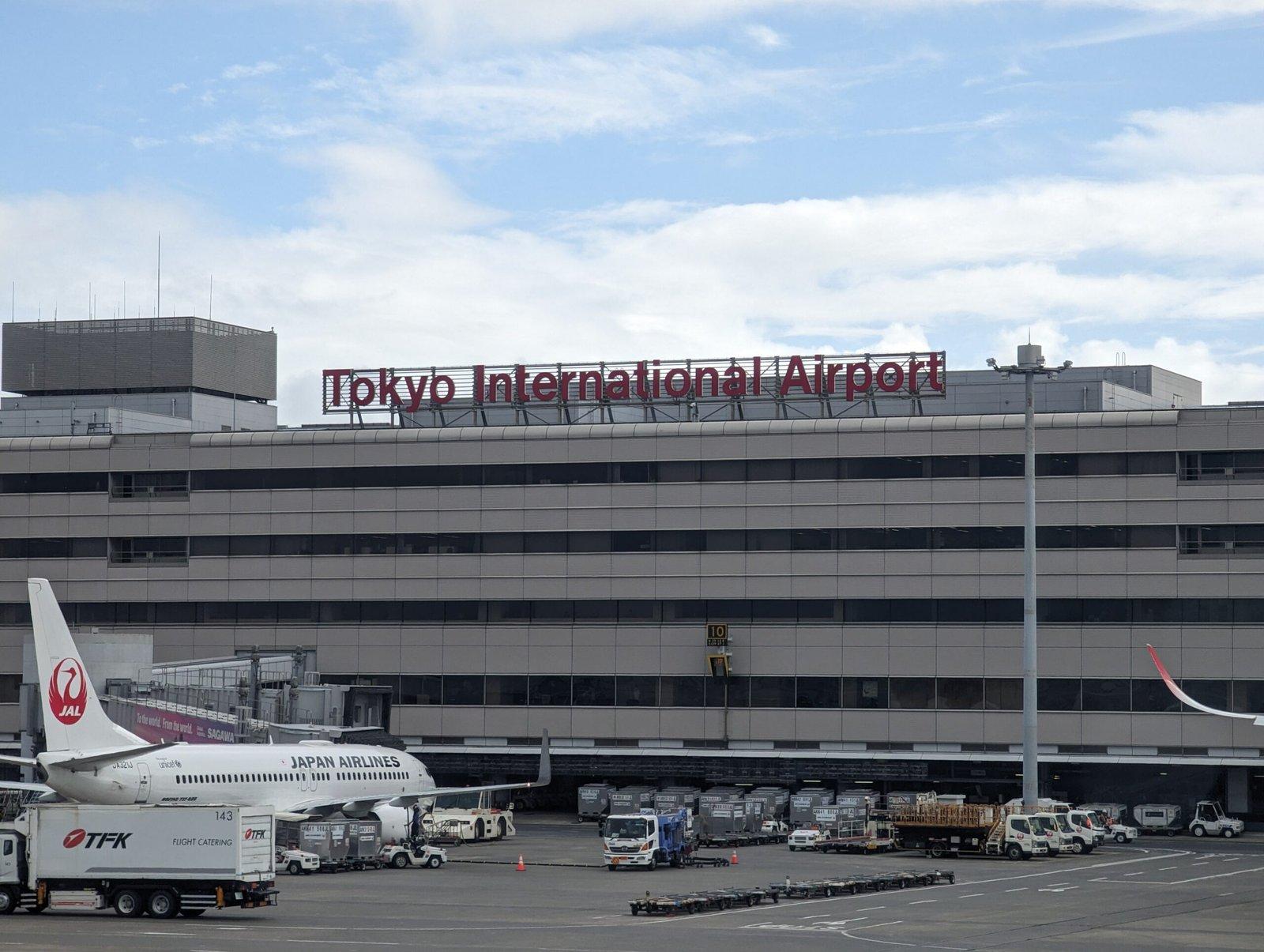
Short answer: after landing in Japan, follow signs for immigration, collect checked baggage, complete customs, then find your onward transport or airport information counter. Before flying, check your entry requirements and consider completing declarations through the official Visit Japan Web service. Haneda (HND) and Narita (NRT) are separate airports, so confirm your airport code, terminal and transport plan before leaving.
This practical checklist is for international visitors arriving at either Tokyo airport. Immigration decisions and customs rules belong to Japanese authorities, and transport fares or schedules can change. Use official guidance linked below.
Before you fly: prepare your arrival details
- Confirm the airport code (HND or NRT), airline, terminal and arrival time on your itinerary.
- Check passport validity, visa or visa-exemption requirements, and any entry conditions for your nationality through official Japanese government sources.
- Complete information in Visit Japan Web if you choose to use the official online service. Follow the current instructions for immigration and customs declarations, and keep access to your details available offline.
- Keep your accommodation address, return/onward details and important contact information accessible.
- Check the airport's official arrival map and your chosen train, bus or taxi service.
Step 1: Follow signs to immigration
After leaving the aircraft, follow airport signs for arrivals and immigration. Have your passport and requested travel details ready, and answer questions from officials accurately. The queue and procedure depend on the airport, passenger category and operating conditions. A completed online form does not guarantee entry; border officials make the decision. If you are connecting to another flight, follow the transfer signs instead only when your airline confirms you are eligible to do so.
Step 2: Collect checked baggage
Check the display boards for your flight and carousel. If your baggage does not arrive or is damaged, report it to the operating airline's baggage desk before leaving the arrival area and keep the case reference. For a connecting flight, baggage pickup depends on your itinerary and whether the airline checked the bag through; ask the carrier if you are unsure. See our luggage storage, delivery and baggage assistance guide.
Step 3: Complete customs procedures
All passengers must follow Japan Customs rules and declare items where required. Japan Customs offers the official Visit Japan Web service for preparing customs declarations; paper declarations may also be available under current procedures. Use the official instructions to understand allowances, restricted items and declaration requirements. Do not rely on a travel blog to decide whether a specific food, medicine, cash amount, plant, animal product or other item is permitted. If uncertain, ask a customs officer and declare as instructed.
After customs, proceed to the public arrivals lobby. Customs may inspect baggage regardless of whether you submitted information online. Visit Japan Web is an official free government service; use the official domain and be wary of third-party sites that charge for access.
Step 4: Get cash, connectivity and travel help
ATMs, currency exchange, mobile connectivity and tourist information services may be available in airport terminals. Their locations and opening hours vary, especially late at night. Check the airport service directory for current counters and locations. Compare exchange rates and fees before exchanging currency, and keep some payment options available in case a counter is closed.
Free airport Wi-Fi and mobile services are listed by both airports; see our Wi-Fi, SIM and internet guide. For travel questions, use official airport information counters or the relevant tourism information desk shown on the current terminal map.
Step 5: Choose transport to Tokyo
Haneda is closer to central Tokyo than Narita in broad geographic terms, but the best route depends on your destination, time of day, luggage and arrival terminal. Both airports have rail, bus, taxi and other ground transport options; services and schedules are not interchangeable. Use the official airport access pages and transport operator timetables to compare routes to your actual hotel or station. Read our Tokyo airport transport guide, plus the specific Haneda or Narita transport guide.
| At the airport | What to do | Useful check |
|---|---|---|
| Arrivals | Follow immigration and arrivals signs | Current Japanese entry requirements |
| Baggage | Collect checked bags or follow transfer instructions | Airline baggage tag and operating carrier |
| Customs | Make required declarations and follow officer directions | Japan Customs / Visit Japan Web |
| Public lobby | Find information, connectivity or cash services | Official terminal service directory and opening hours |
| Ground transport | Travel to your actual destination | Airport access page and live operator timetable |
What is Visit Japan Web?
Visit Japan Web is the Japanese government's online service for preparing certain arrival procedures, including immigration and customs information as supported by its current functionality. It does not replace a passport, visa where required, border examination or customs inspection. Use only the official service, read the instructions for your trip, and confirm whether the service applies to your situation. The Customs website also explains paper alternatives and declaration requirements.
After customs: a simple arrival checklist
- Check that you have your passport, phone, wallet, luggage and any customs paperwork before leaving the inspection area.
- Find an information counter or airport map if you need directions, accessible routes, a restroom, family room or currency service.
- Connect using an official airport network or your own mobile plan, and message your accommodation if your arrival time has changed.
- Compare the official rail, bus and taxi options to your destination. Confirm the departure point, ticketing method, service hours and final stop before boarding.
- Keep your luggage and valuables with you, and use only marked official transport areas rather than accepting unsolicited offers.
Arriving with children, accessibility needs or a late flight
If you need a step-free path or mobility assistance, arrange it with your airline and check the airport's accessibility information in advance. Travelling with children? Locate baby-care facilities and allow time for breaks. If you land late, check whether rail and bus services still run to your destination; service hours vary by route and date. Have a backup accommodation or taxi plan if the last scheduled service has departed. Keep medications and essential items in your cabin baggage in case checked luggage is delayed.
Common arrival mistakes to avoid
- Confusing Haneda (HND) with Narita (NRT), or assuming a hotel transfer serves both.
- Leaving the transit area before checking whether you need to stay airside for a connection.
- Assuming an online declaration guarantees immigration or customs clearance.
- Planning transport only by the name “Tokyo” without checking the destination station and terminal.
- Depending on a shop, SIM counter, exchange desk or train service without checking its current opening hours.
Choose the right transport ticket and destination
Before purchasing a ticket, identify the exact station or hotel area, not just “Tokyo.” Some services run to different parts of the city or make different stops, and the best option can depend on where you are staying. Check whether a ticket needs a reservation, whether luggage restrictions apply and whether the service operates at your arrival time. Use official station or airport signs and confirm the platform or bus bay on the day. If you arrive late, have limited mobility or are travelling with several bags, compare the entire route—including transfers and station walking—not only the ride duration.
Frequently asked questions
Should I use Visit Japan Web?
It is an official online service that can help prepare arrival information. Follow current government instructions; it is not a substitute for entry permission or a customs officer's decision.
Do I need to declare food or medicine?
Rules depend on the item and its ingredients, quantity and purpose. Check official Japanese customs and quarantine guidance before packing, and declare items when required.
Can I exchange money at the airport?
Currency exchange services may be available, but locations, hours and rates vary. Check the terminal directory and compare fees before exchanging.
Which airport is closer to Tokyo?
Haneda is generally closer to central Tokyo, while Narita is farther away. Compare the complete route to your destination; fares, time and available services differ.
How do I get a SIM card after landing?
Check the airport service directory for current SIM, eSIM assistance or Wi-Fi rental locations and hours. Make sure your device is compatible.
What if my checked bag is missing?
Contact the operating airline's baggage service desk in the arrivals area and obtain a case number before leaving the airport.
Can I take a taxi to my hotel?
Taxi services are available at both airports. Follow official signs to designated taxi areas, confirm the destination and fare arrangement, and use official airport guidance.
What if I arrive after counters close?
Service hours vary. Check your arrival time against airport and transport timetables before travel, and arrange a backup for connectivity, accommodation and transport.
Official sources
- Visit Japan Web (official service)
- Japan Customs English guidance
- Immigration Services Agency of Japan
- Haneda Airport official website
- Narita Airport official website
Published 26 November 2026 · Last verified 26 November 2026. Immigration, customs, transport and service information can change; verify with official authorities and operators before departure.