International Airport Transfers at Haneda and Narita
by Tokyo Airports Editorial TeamUpdated
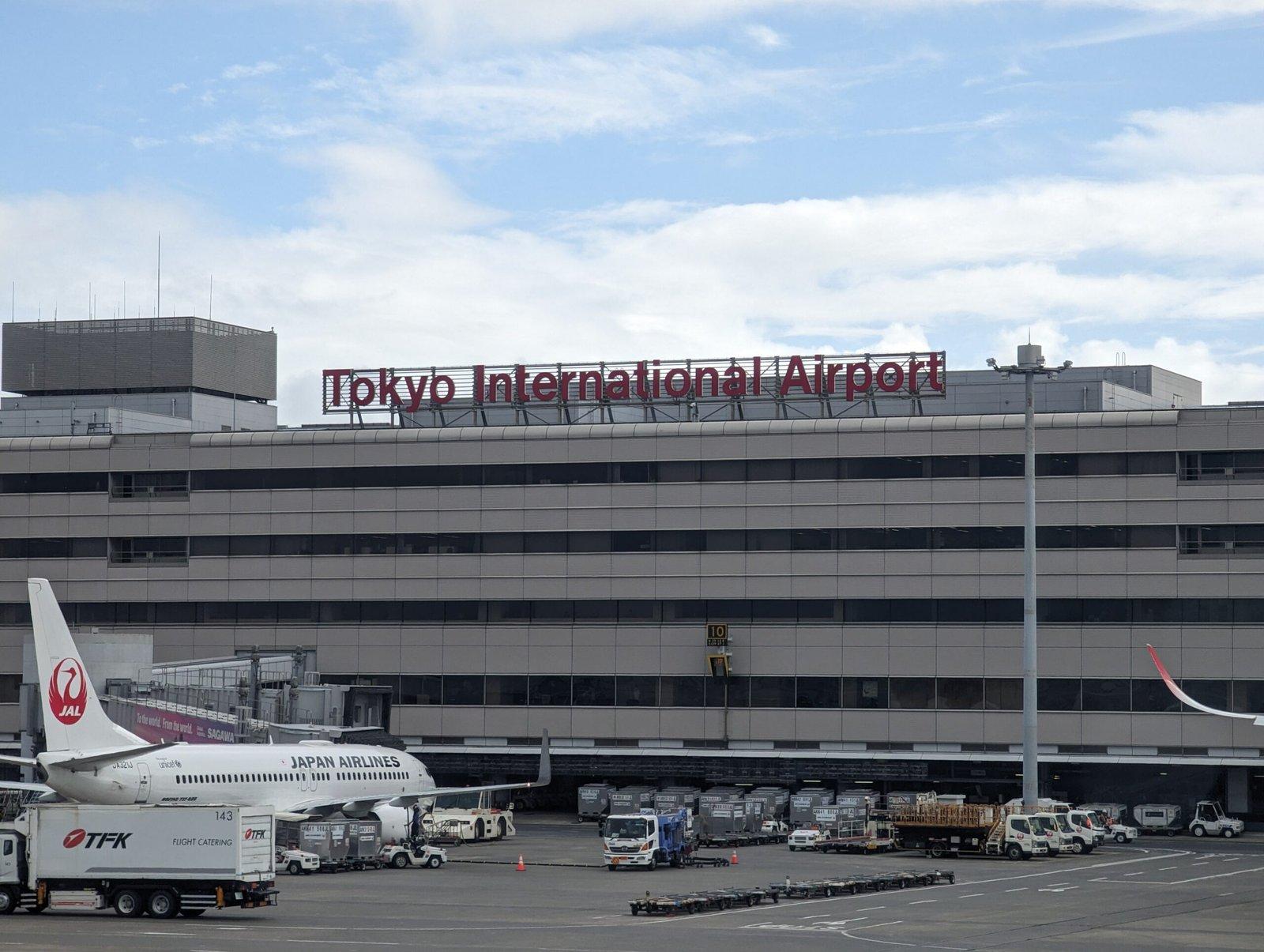
Short answer: whether you clear immigration, collect bags and pass security during a Tokyo airport connection depends on your itinerary, ticket, airline and whether you stay airside. An international-to-domestic connection normally requires entry procedures in Japan and baggage collection for customs; an international-to-international connection may remain airside when the airline and airport support it. Confirm the process with your operating airline before travel—there is no one transfer rule for every booking.
Use this guide alongside our Haneda–Narita transfer guide, terminal overview and the official Haneda and Narita airport information.
Do I need to pass immigration during an international connection in Japan?
If your journey requires you to enter Japan—for example, to collect checked baggage, change to a domestic flight, or leave the secure transit area—you must follow the applicable immigration and customs procedures. An international-to-domestic itinerary generally requires immigration, baggage pickup and customs before you proceed to the domestic check-in or transfer area. Requirements depend on your nationality, travel documents and the current rules of Japanese authorities; check the Immigration Services Agency of Japan for entry information.
Some international-to-international passengers can remain in the airside transit area and avoid entering Japan, but this depends on airport operating hours, terminal and airline arrangements, onward boarding pass, checked-through baggage and connection eligibility. If your flights are on separate tickets, you may need to enter Japan to check in again. Ask the airline operating each flight whether your itinerary is a protected connection and whether your bags are tagged to the final destination.
Will I need to collect my baggage?
Check the baggage tag issued at the first airport and ask the airline at check-in. If the bag is tagged only to Tokyo, collect it at the assigned carousel and follow customs instructions. If it is checked through to your final destination, the carrier should confirm where it will be transferred; do not assume that separate bookings will be linked automatically. Codeshare marketing and operating airlines can differ, so verify with the airline actually operating the flight.
For an international-to-domestic connection, passengers generally collect checked luggage after arrival and clear customs before rechecking it, even where an airline offers a transfer counter or through-check service for eligible itineraries. Baggage rules, transfer counters and acceptance deadlines are carrier-specific. Our baggage guide covers airport services, but your airline is the authority for your booking.
Can I transfer between terminals without leaving the airport?
Terminal transfers vary by airport, terminal, airline and whether you are connecting airside or landside. At Haneda, official airport information describes inter-terminal options including a free shuttle bus and rail connections; the correct route and eligibility can depend on your flight and access area. Narita also has terminal-to-terminal transport, but some connections involve leaving the secure area and clearing screening again. Follow airport transfer signs and check the current terminal maps and instructions before setting out.
| Connection | What may be required | Confirm with |
|---|---|---|
| International to domestic | Immigration, baggage collection, customs, domestic check-in or bag drop, security | Operating airline and airport transfer desk |
| International to international, same ticket | Airside transfer may be possible; screening or terminal transport may still apply | Airline and airport transfer instructions |
| Separate tickets | Often requires entry, baggage pickup and a new check-in; missed onward flight may not be protected | Both airlines, before purchase and departure |
| Haneda to Narita (or reverse) | Ground transport across the Tokyo region, plus arrival and departure procedures | Our transfer guide and live transport operator schedules |
How much connection time should I allow?
There is no universal safe minimum. Use the airline's stated minimum connection time only for a single through-ticket itinerary accepted by the carrier. For separate tickets, allow a substantially larger buffer: you may need to deplane, clear immigration, wait for baggage, pass customs, travel between terminals or airports, check in before the carrier's cutoff and clear security. Add extra time for peak travel periods, mobility needs, children, delayed inbound flights, late-night schedules or a terminal change. If missing the onward flight would be costly, consider an overnight stay rather than relying on a tight self-transfer.
For a Haneda–Narita transfer, do not treat the airports as adjacent terminals. The ground journey can be affected by traffic, rail disruptions and service hours. Check live timetables and the airport code on both tickets. See our step-by-step Haneda–Narita guide.
What should I confirm before departure?
- Which airport and terminal each flight uses, and whether either terminal may change.
- Whether the flights are on one ticket and whether the connection is protected.
- Whether checked bags are tagged to the final destination or must be collected.
- Whether you are eligible to remain airside, and whether a transit visa or entry permission is required for your circumstances.
- Check-in, bag-drop and boarding cutoffs for the next flight.
- How you will travel between terminals, and whether the route is airside or landside.
- Current official airport transfer instructions and your airline's contact details.
For customs declaration, Japan Customs provides current guidance and the official Visit Japan Web service. Use government and airline instructions for your situation; an airport guide cannot determine your immigration eligibility.
Plan by connection type, not just airport
One ticket, same airport: start by checking whether the airline confirms a through-connection and whether it issues both boarding passes at your origin. Even then, allow for immigration, baggage or security steps stated by the airline. A transfer desk may be available, but do not assume it will be open for every arrival or able to solve every ticket issue.
Separate tickets, same airport: treat this as a self-transfer unless both carriers explicitly confirm otherwise. The first airline may not protect the second flight if the inbound service is delayed. You may need to enter Japan, collect the bag, check in again before the cutoff and clear security. Check whether you meet Japan's entry requirements before buying a ticket that depends on leaving the transit zone.
Different terminals: find out whether the transfer route stays inside the secure area. A landside shuttle or rail journey can mean leaving the departures zone and passing screening again. Look up the current airport map and transfer instructions, including the relevant terminal names, before the day of travel.
Different airports: Haneda and Narita are in different parts of the metropolitan region. A bus or rail route is a separate ground transfer, not an airside connection. Add time for ground transport, baggage, immigration, airline check-in cutoffs and possible disruption. Check the live operator timetable and airport code before committing to a connection.
When your plans change
If a flight is delayed, cancelled or moved to another terminal, ask the operating airline what action is required before leaving the secure area. Keep boarding passes and baggage receipts, and use official airport screens for gate updates. Do not purchase a replacement ticket or exit immigration based only on an assumption that a connecting airline will rebook you. For separate tickets, ask each carrier about its conditions of carriage, disruption policy and deadlines. If you cannot complete the connection safely, ask airline staff about realistic options, including an overnight stay.
Build a realistic transfer plan
Write down every handoff in sequence: arrival gate, immigration if required, baggage carousel, customs, terminal shuttle or train, check-in counter, security and departure gate. Mark which steps depend on staff service hours and which require you to leave the secure zone. Then compare the plan with the airline's check-in and gate-closing times. This simple sequence exposes hidden tasks—such as collecting a stroller or travelling from one airport to another—that a headline connection duration can obscure.
Frequently asked questions
Do I need a Japan visa for an airside connection?
Visa and transit requirements depend on your passport, route, airport, terminal transfer and whether you leave the international transit area. Check Japan's official immigration guidance or contact the nearest Japanese embassy or consulate before travel.
Can I leave the airport during a long layover?
Only if you are permitted to enter Japan and have enough time to return, check in and clear security. Leaving airside means you must satisfy entry requirements; verify with official authorities and your airline.
Do airlines transfer bags between separate tickets?
Not automatically. Ask both operating airlines whether through-checking is available for your exact itinerary. Plan to collect and recheck bags if they cannot confirm otherwise.
Will I pass security again?
Many connections require another security screening, particularly when changing terminals or entering the departures area. Follow airport signs and the airline's instructions.
What if my incoming flight is delayed?
For a protected single-ticket connection, contact the airline promptly; it can advise on rebooking. For separate tickets, the next airline may treat you as a no-show, so check its disruption and ticket rules.
Where do I get the final answer for my connection?
Ask the operating airline for baggage and ticket-specific rules, and check the official airport site for terminal routes, facilities and live notices.
Official sources
- Haneda Airport official passenger information
- Narita Airport official passenger information
- Immigration Services Agency of Japan
- Visit Japan Web
Published 26 November 2026 · Last verified 26 November 2026. This independent guide explains common connection patterns; airline and government rules control your specific trip. Recheck official sources before travel.